Two documents that answer different questions
Buyers in Laguna Hills often assume the general home inspection already covered the chimney. It did, in the sense that the fireplace appears in the report. What it covered is the problem. A general inspector spends a few hours on the whole house: roof, wiring, plumbing, heating, foundation, windows, appliances. The fireplace gets a paragraph, and that paragraph usually ends by suggesting someone else take a closer look.
A Level 2 chimney inspection spends the whole visit on one system. It asks a narrower question with a more useful answer: is this flue safe to use, and if not, what will it take and cost to make it so?
Side by side
- Who writes it. A generalist who covers every system in the house, against a chimney company that only looks at fireplaces, flues and vents.
- Where they look. From the hearth with a flashlight, and the chimney top from a ladder or the ground, against a recorded camera run up the flue plus the roof and the attic run of the chimney.
- How it ends. Usually with a referral, against a finding list with a next step and a price or written scope for each.
- What it costs. Folded into the general fee, against $400 per fireplace with us.
- What the other side can verify. A few photos, against the full video of the flue interior.
Why the general report stops where it does
This is not a criticism of home inspectors. Their standards of practice let them describe what is readily visible and send anything deeper to a specialist, and that is the right call for someone covering forty systems in an afternoon. The inside of a flue is not readily visible. Neither is the gap between a chimney and the framing in the attic, or the condition of the mortar between clay tiles twenty feet up.
So when the general report says "evaluation recommended," it is doing its job. It is telling the buyer the chimney was outside its reach.
What only the camera finds
The findings that change a negotiation are mostly ones a flashlight cannot reach:
- Cracked or offset clay flue tiles, often from old quake movement or a past chimney fire.
- Gaps in the mortar joints between tiles, which let heat and gases reach the brick and the framing beyond it.
- Heavy creosote high in the flue on a chimney the seller says was rarely used.
- A metal flue on a factory-built fireplace that has rusted, separated or been crushed in the attic.
- Missing or wrong-sized liners on a fireplace that was converted to gas years ago.
Each of these is a real cost. A buyer who learns about them after close pays for them alone.
When the general report may be enough
Rarely, on a sale. The exceptions are narrow: a fireplace that has been permanently sealed and the buyer never intends to open, or a house with no fireplace at all and only a gas furnace vent, which falls under the heating inspection. Even a gas-only fireplace has a vent that runs through the attic and out the roof, and a Level 2 covers it.
What each costs, and how to book the camera
The general inspection fee is set by the general inspector and covers the whole house. The chimney inspection is a separate line: $400 for a Level 2 on one fireplace with us, including the camera footage and written report. A Level 1 at $170 exists for owners who are not selling, but it leaves out the flue interior and attic, so it does not answer the general inspector's referral.
If your general report already recommends a chimney evaluation, book the Level 2 here and paste the inspector's sentence into the message. We read it before the visit so we know where to start.
Which to order first
There is no need to wait for the general report before booking the chimney. The two inspections do not depend on each other, and scheduling both in the same week leaves the most room in the contingency for negotiation. If the general inspector is already booked, put the chimney on the calendar in the same phone session where you confirm them.
A Laguna Hills detail
Much of Laguna Hills was built out in the 1970s and 1980s, and a lot of those houses have factory-built fireplaces: a metal firebox and a metal flue running up inside a framed box on the outside wall or through the roof. The general inspector sees the firebox and the top of the box from a ladder. The weak points are in between: the flue joints in the attic, the firestops at each floor, and a rusted metal top on the box that lets rain run down onto the pipe. Our chase cover page covers that top in detail.
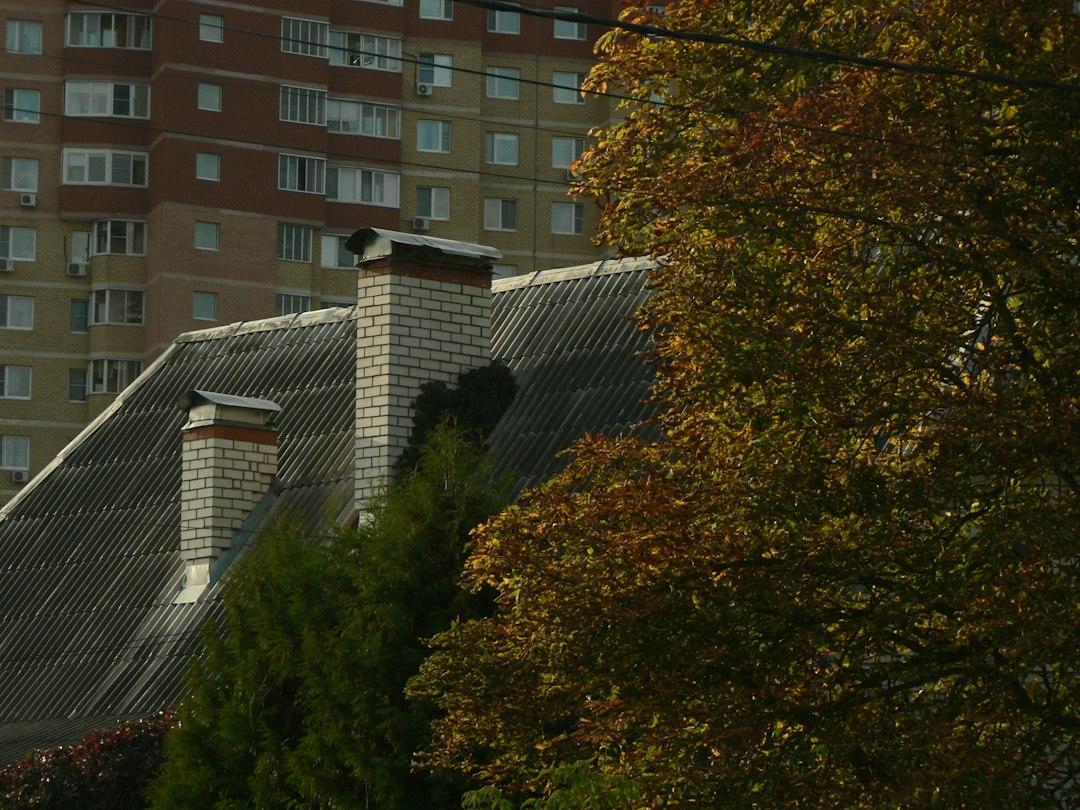
Brick chimneys in older parts of the area and in neighboring Laguna Beach bring their own list: clay tiles, crowns and roof-joint metal that has seen decades of marine air.
Putting both reports to use
The two documents do more as a pair. The general report shows the house as a whole. The chimney report shows one system in detail, with prices. Your agent uses both to build the repair request. Our what a Level 2 costs during escrow post shows how the chimney lines typically become repair items, and the fireplace inspection page covers the firebox side of the visit. We work across Laguna Hills, Lake Forest and Costa Mesa.
Holding a general report that punts on the fireplace? Head to the contact page and we will set up the camera visit that answers it.
Have a Report Line Like This One?
Aylward Chimney Pros works out of Laguna Hills for buyers, sellers and agents across Orange County. We inspect, write each finding for the people in the deal and price the repairs line by line.